
Practical Guide to Building Neighborhood Networks
Creating a strong neighborhood network can enhance community ties, provide support, and facilitate resource sharing. This guide offers practical steps to effectively build and nurture these connections.
Understanding the Basics of Neighborhood Networks
Neighborhood networks are groups of residents who come together to share information, resources, and support. Experts recommend that these networks can lead to increased community engagement and improved problem-solving capabilities. According to research conducted by the Community Development Society, community connections can enhance residents' overall well-being and lower crime rates.
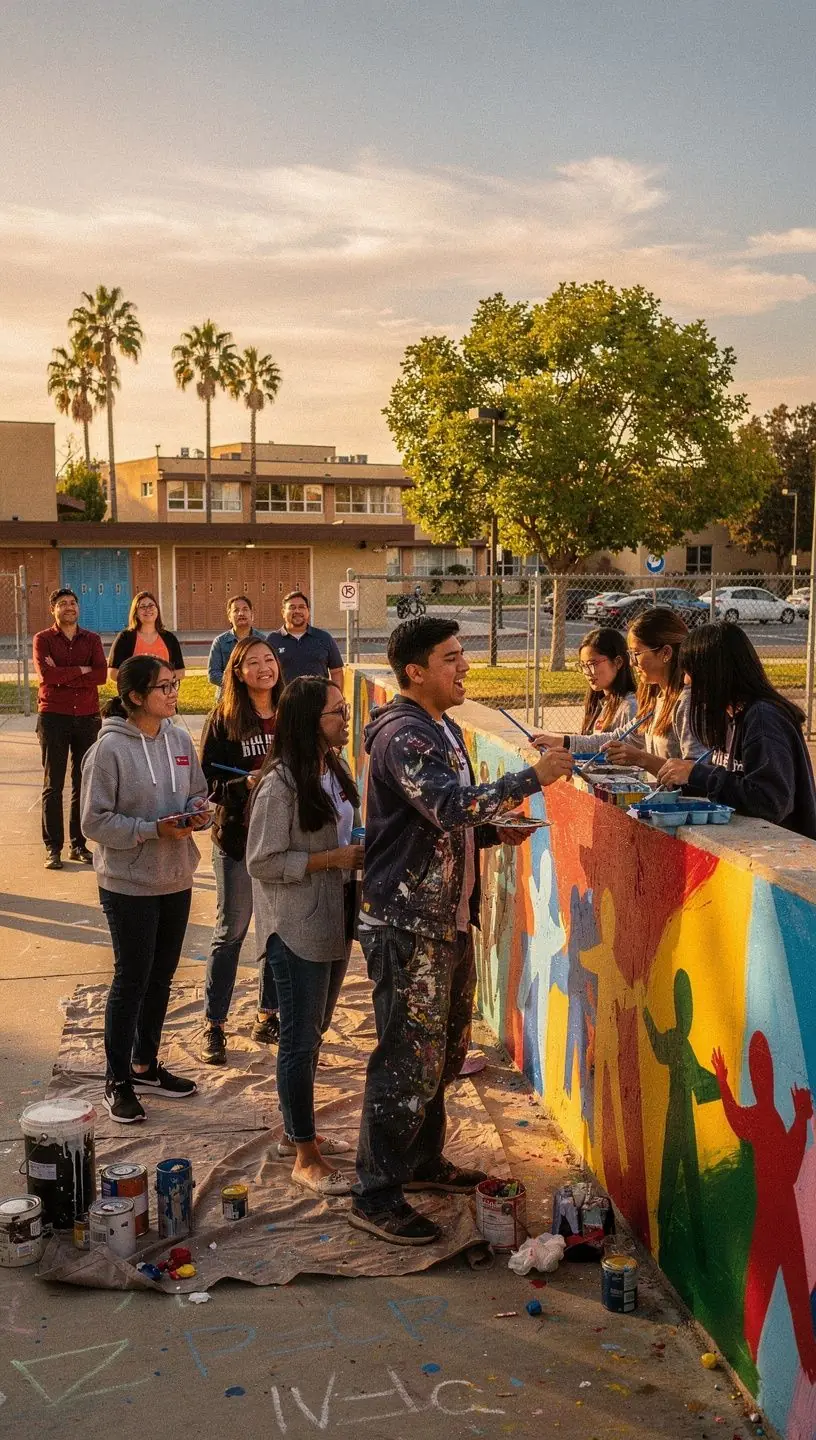
"Strong community ties can significantly improve neighborhood safety and social cohesion." - Community Development Society
Steps to Build a Neighborhood Network
Establishing a neighborhood network typically involves several important steps:
- Identify Common Goals: Start by gathering neighbors to discuss shared interests and concerns. This may include safety, local events, or environmental issues. Research indicates that setting common objectives can foster a sense of purpose within the group.
- Establish Communication Channels: Effective communication is vital. Consider creating a community newsletter, a dedicated social media group, or even a simple email list. Many users report that using platforms like Facebook or Nextdoor helps facilitate quick and easy communication.
- Organize Regular Meetings: Scheduling regular meetings allows for face-to-face interaction, which can strengthen relationships. Typically, monthly meetings are a feasible commitment for most residents, encouraging ongoing dialogue and collaboration.
- Encourage Participation: Encourage all residents to share their skills and resources. You might consider hosting workshops, neighborhood clean-up days, or potluck dinners. Community experts often highlight that inclusive events can lead to higher participation rates and a stronger network.
- Evaluate and Adapt: Regularly assess the effectiveness of your network. Solicit feedback from participants to understand what works and what doesn’t. Adjusting your approach based on community needs is essential for long-term success.
Challenges to Consider
Building a neighborhood network requires time and effort. Experts suggest that it may take several months to establish a functional and engaged group. Additionally, challenges such as differing opinions, time constraints, and varying levels of interest can pose obstacles. Addressing these challenges head-on with transparency and open communication is crucial.
"The willingness to engage in open dialogue is key to overcoming community challenges." - Neighborhood Engagement Specialist
Conclusion
Establishing a neighborhood network can significantly enhance the quality of life in your community. By understanding the basics, taking practical steps, and being open to challenges, you can build a vibrant network that supports residents and fosters a sense of belonging. Remember, the journey may require time and dedication, but the rewards of community connection are invaluable.
Learn More